


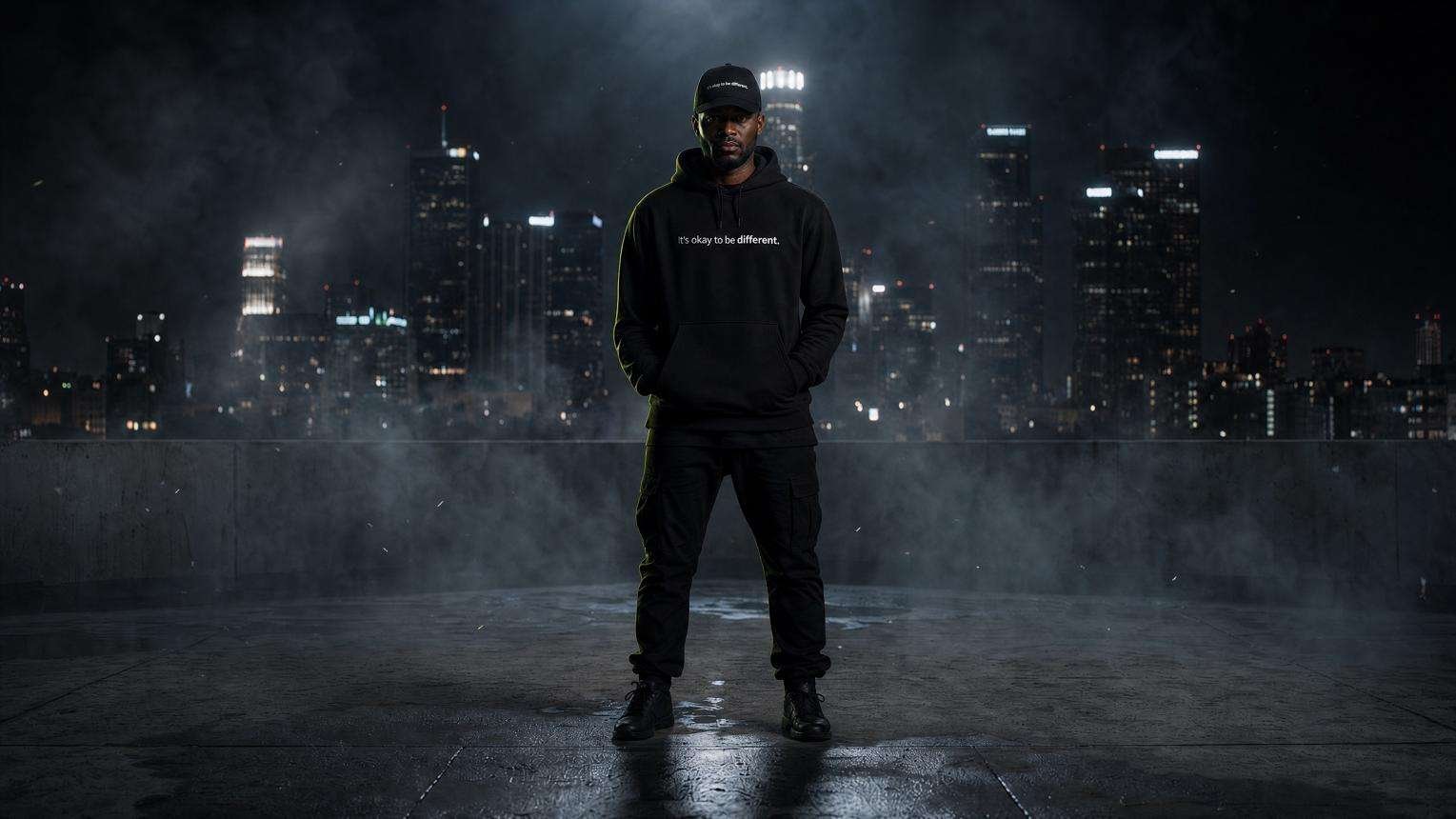
The hoodie has transitioned from basic athletic warm-up gear into the foundational centerpiece of contemporary American streetwear and luxury casualwear. As we move through 2026, independent clothing labels, established retail buyers, and emerging fashion entrepreneurs are rethinking how they design, source, and market fleece garments.
Understanding the top Hoodie Trends 2026 requires looking beyond surface-level graphics. Today’s consumers scrutinize fabric weight, shoulder drape, wash complexity, and tactile embellishments before committing to a purchase. For apparel brands, staying competitive means aligning creative direction with technical Hoodie Manufacturing capabilities. Whether you are launching a capsule collection in Los Angeles or scaling a wholesale line in New York, your choice of fabric GSM, dyeing technique, and factory partner directly dictates your brand’s perceived value.
Below is a comprehensive breakdown of the Trending Hoodies 2026, detailing both established market staples and emerging design directions, alongside practical production insights for US clothing brands.
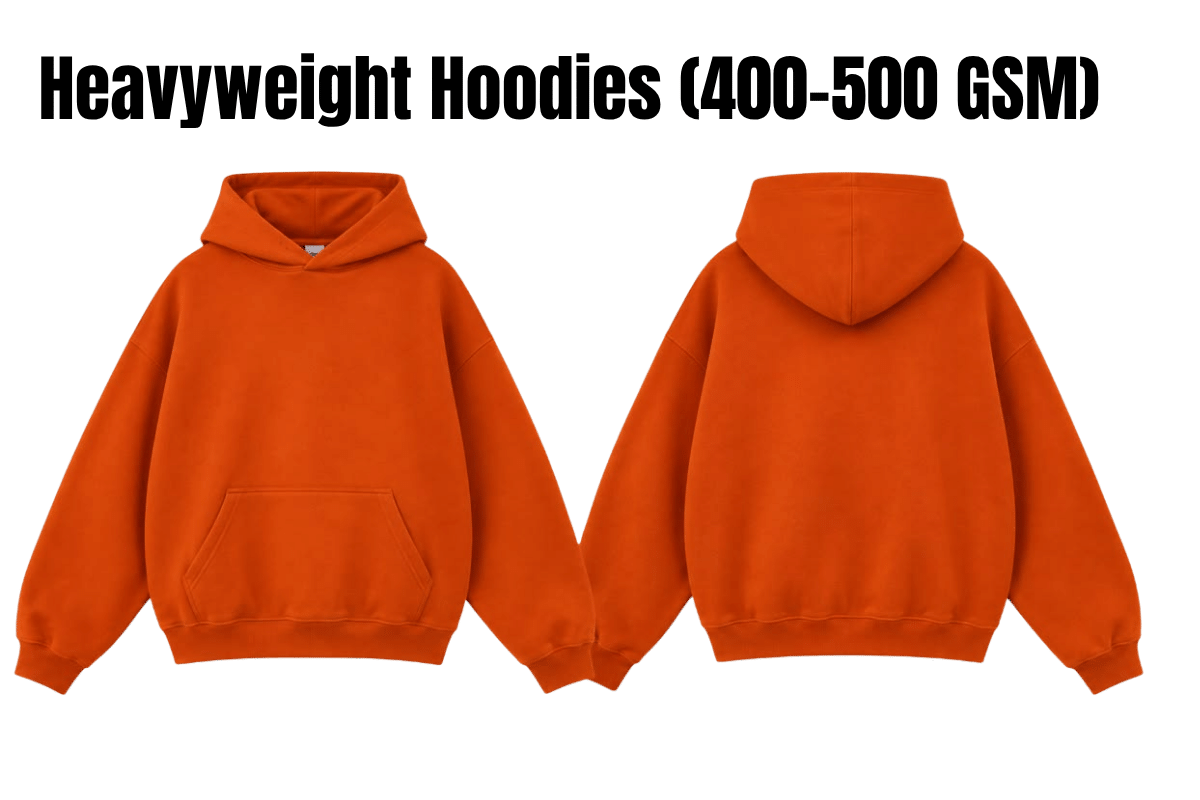
1. Heavyweight Hoodies (400–500 GSM)
Heavyweight fleece remains the undisputed backbone of modern Streetwear Hoodie Trends. While standard retail hoodies typically hover between 260 and 300 GSM (grams per square meter), contemporary streetwear buyers gravitate toward dense, structured fabrics ranging from 400 to 500 GSM.
Why Heavyweight Fleece Dominates
- Architectural Drape: High-GSM cotton fleece holds its shape rather than clinging to the body. It creates clean lines around the torso, cuffs, and double-lined hoods, preventing the hood from collapsing flat against the upper back.
- Perceived Luxury and Longevity: Consumers associate heft with durability. A 450 GSM 100% cotton fleece garment resists pilling, withstands repeated wash cycles, and justifies higher retail price points ($90–$160+ in the US market).
- Surface Stability for Embellishments: Dense knit structures provide a stable canvas for heavy embroidery, thick puff prints, and distressing without warping or puckering around the seams.
Practical Applications for Brands
Partnering with a specialized Heavyweight Hoodie Manufacturer allows brands to customize the interior texture—choosing between brushed fleece for cold-weather warmth or heavyweight loopback French Terry for crisp, breathable structure. For fall/winter drops, 450–500 GSM brushed fleece is standard; for year-round coastal markets like California or Florida, 380–420 GSM French Terry offers substantial weight without overheating the wearer.
2. Garment Dyed and Acid Wash Hoodies
Blank, flat-toned hoodies are increasingly taking a back seat to complex, lived-in surface finishes. Rather than buying pre-dyed fabric rolls, brands are opting for post-construction dyeing and washing treatments that give every piece subtle tonal variations.
Key Wash Techniques in 2026
- Garment Dyeing: The hoodie is sewn together using unbleached “greige” fabric and dyed as a finished piece. This process shrinks the fabric slightly (eliminating future shrinkage for the customer) and creates rich color saturation with subtle high-low tonal contrasts along the double-needle stitching and ribbed trims.
- Acid Wash: Utilizing pumice stones or specialized chemical washes, acid washing strips color unevenly from the outer surface of the fleece, creating high-contrast marbling. Working with a factory experienced in Custom Acid Wash Hoodies ensures the distressing remains consistent across production runs without weakening the cotton fibers.
- Pigment Wash: Pigment dyes sit on the surface of the cotton fibers rather than penetrating them deeply. Over time and through washing, pigment-dyed hoodies gradually soften and fade, developing a sought-after vintage patina.
- Sunfade Wash: An emerging design direction in 2026, sunfade washes replicate the look of a garment left in direct sunlight—featuring faded shoulders, hood crowns, and outer sleeves contrasted against deeper, richer tones under the arms and inside the pocket folds.
3. Oversized and Boxy Fit Hoodies
Silhouettes in streetwear continue to move away from slim, elongated athletic cuts toward wide, cropped, and boxy proportions. A knowledgeable Oversized Hoodie Manufacturer understands that achieving a true oversized look requires more than simply grading up a standard medium pattern to an XL.
Anatomy of the Modern Boxy Cut
- Drop Shoulders: The shoulder seam sits noticeably lower on the upper arm, creating a relaxed, effortless slope across the chest and back.
- Wide Chest, Cropped Body: Modern streetwear patterns feature generous chest widths paired with slightly shortened torso lengths. This prevents the hoodie from bunching awkwardly over baggy denim or cargo pants and eliminates the “dress-like” length of poorly scaled oversized blanks.
- High-Tension Ribbing: Wide, heavy 2×2 rib-knit waistbands and cuffs (often 3 to 4 inches wide) cinch at the waist and wrists, allowing the excess torso and sleeve fabric to billow cleanly over the ribbing.
- Structured Double-Lined Hoods: Drawstrings are increasingly omitted in favor of clean, overlapping necklines and oversized, double-layered hoods that frame the neck naturally.
4. Puff Printing and 3D Embroidery
Flat, single-layer plastisol graphics are no longer enough to differentiate a brand in a crowded market. In 2026, tactile, multi-dimensional surface decoration is a primary driver of consumer appeal, blending print and stitch techniques on a single garment.
Comparing Decoration Methods for Hoodies
| Decoration Method | Visual & Tactile Finish | Best Use Cases | Durability & Care |
|---|---|---|---|
| Puff Printing | Raised, matte, foam-like 3D texture achieved with heat-reactive additives. | Bold typography, retro collegiate graphics, minimalist chest logos. | High durability; avoid direct high heat ironing on the print. |
| Standard Screen Printing | Smooth, vibrant, flat ink deposit (plastisol or water-based). | Large back graphics, multi-color illustrations, bulk runs. | Extremely durable; water-based inks offer a soft-hand feel. |
| DTG (Direct-to-Garment) | Soft, breathable print soaked directly into cotton fibers. | Photorealistic artwork, complex gradients, small batch runs. | Good durability on 100% ring-spun cotton; wash inside out. |
| DTF (Direct-to-Film) | Crisp, vibrant, slightly glossy transfer with sharp fine-line detail. | Intricate multi-color logos, placements over seams or pockets. | Very durable and flexible; resists cracking on stretchy fleece. |
| 3D Embroidery | High-relief, structured stitching sewn over high-density foam. | Clean monograms, varsity lettering, geometric emblems. | Exceptional longevity; maintains raised shape wash after wash. |
| Chenille Embroidery | Fuzzy, looped yarn texture reminiscent of classic varsity jackets. | Large mascot patches, collegiate lettering, statement back pieces. | Highly durable; best applied as backed patches on heavy fleece. |
| Sublimation | Dye infused permanently into polyester fibers with zero hand-feel. | All-over printed polyester fleece, vibrant athletic performance hoodies. | Permanent; will never crack, peel, or fade over time. |
Combining techniques—such as a flat screen-printed base layer accented with puff-printed highlights, or a chenille patch bordered by 3D satin stitching—gives independent brands a distinct, custom-cut-and-sew aesthetic that cannot be replicated with off-the-shelf blanks.
5. Low MOQ Hoodie Manufacturing
Historically, custom cut-and-sew apparel manufacturing required minimum order quantities (MOQs) of 500 to 1,000+ units per style, forcing startups to compromise by printing on generic wholesale blanks. In 2026, flexible Low MOQ Hoodie Manufacturer partnerships are reshaping how emerging brands launch and scale.
Strategic Advantages for Growing Brands
- Inventory Risk Mitigation: Ordering 50 to 150 units per colorway allows startups to test new silhouettes, custom washes, and graphic placements without tying up tens of thousands of dollars in unsold deadstock.
- Drop-Model Agility: Modern streetwear thrives on scarcity and frequent micro-drops. Low MOQs enable brands to release cohesive 4-to-6-piece capsule collections every month rather than gambling on two massive seasonal buys.
- Cash Flow Preservation: Keeping initial production capital lean frees up budget for lookbook photography, influencer seeding, paid social acquisition, and custom packaging.
- Iterative Product Development: Brands can gather real customer feedback on fit and fabric weight from an initial small batch, refining grading specs before committing to larger wholesale runs.
6. Mock Neck and Half-Zip Hoodies
While the classic pullover hoodie remains a staple, functional collar variations are gaining significant traction as an emerging design direction in 2026. Brands looking to elevate their fleece offerings are incorporating tailored outerwear details into casual knitwear.
Key Functional Design Elements
- High Mock Neck Hoods: By extending the collar height where the hood meets the neckline—often secured with hidden snaps or an overlapping placket—mock neck hoodies offer superior wind protection and a clean, architectural silhouette around the jawline.
- Half-Zip and Quarter-Zip Pullovers: Pairing a structured hood with a heavy-duty metal zipper (such as antique brass, matte black, or YKK silver zippers) transforms a casual fleece top into a versatile layering piece.
- Fabric Pairing: Mock neck and half-zip designs perform best in dense, stable fabrics like 420–480 GSM brushed cotton fleece or heavyweight French Terry, ensuring the zipper track lays completely flat without rippling or waving after washing.
7. Sustainable Hoodie Manufacturing
Modern US consumers and retail buyers increasingly ask where their garments come from and how they are produced. However, today’s shoppers are also quick to spot vague greenwashing. Authentic sustainability in Custom Hoodie Production relies on transparent material choices and responsible production habits rather than exaggerated claims.
Practical Eco-Conscious Options
- Organic Cotton Fleece: Grown without synthetic pesticides or genetically modified seeds, organic ring-spun cotton provides a soft hand-feel and strong durability while reducing chemical runoff in agriculture.
- Recycled Polyester Blends: For brands seeking cotton-poly blends (such as an 80/20 or 85/15 ratio) to reduce shrinkage and add tensile strength, utilizing post-consumer recycled polyester helps divert plastic waste from landfills.
- Responsible Dyeing and Water Management: Working with wash houses that filter and recycle process water during pigment and enzyme washes minimizes environmental impact.
- Eco-Conscious Packaging: Replacing single-use virgin polybags with biodegradable cornstarch mailers, recycled kraft hang tags, and unbleached cotton drawstring dust bags reinforces a brand’s commitment to thoughtful sourcing.
8. Hoodie GSM Comparison
Selecting the right fabric weight is one of the most critical technical decisions in Hoodie Manufacturing. GSM measures the weight of one square meter of fabric; higher GSM translates to thicker, denser, and heavier garments.
Fabric Weight Breakdown for Apparel Buyers
| Fabric Weight (GSM) | Common Fabric Structure | Hand-Feel & Drape | Ideal Applications & Seasons | Target Market Positioning |
|---|---|---|---|---|
| 280 GSM | Light-to-Midweight French Terry or Fleece | Soft, flexible, fluid drape; easily packable. | Spring/summer evenings, layering under jackets, promotional merch, gym warm-ups. | Entry-level retail, event merchandise, active lifestyle brands. |
| 320 GSM | Midweight Brushed Fleece or French Terry | Balanced warmth and breathability; classic athletic feel. | Year-round everyday wear, transitional weather, standard retail pullovers. | Contemporary casualwear, collegiate apparel, corporate merch. |
| 350 GSM | Upper-Midweight Fleece | Noticeably substantial without feeling bulky; holds clean seams. | Fall/spring collections, elevated everyday essentials, DTG and screen-printed lines. | Mid-tier streetwear, boutique lifestyle labels, DTC brands. |
| 400 GSM | Heavyweight Cotton Fleece or Heavy Terry | Thick, structured, crisp drape; minimal cling to the body. | Autumn/winter streetwear, oversized boxy fits, puff printing, and heavy embroidery. | Premium streetwear startups, skate brands, contemporary fashion. |
| 450–500 GSM | Ultra-Heavyweight Luxury Fleece | Dense, rigid architectural silhouette; maximum warmth and loft. | Cold-weather flagship drops, luxury streetwear, acid wash and sunfade garments. | High-end designer streetwear, luxury capsules, collector drops. |
9. Matching Hoodie and Jogger Sets
Coordinated sweatsuits have evolved from pandemic-era loungewear into a permanent pillar of modern menswear and womenswear. Selling matching hoodie and jogger (or sweatpant) sets dramatically increases Average Order Value (AOV) for e-commerce brands while simplifying outfit styling for consumers.
Execution Details That Separate Premium Sets from Basic Sweatsuits
- Dye-Lot Consistency: Nothing ruins a matching set faster than a slight shade variance between the top and bottom. Producing hoodies and joggers simultaneously from the exact same fabric dye lot guarantees seamless color matching—especially crucial for garment-dyed and pigment-washed collections.
- Proportional Silhouette Matching: A boxy, 450 GSM drop-shoulder hoodie pairs best with relaxed straight-leg or wide-leg open-hem sweatpants rather than skinny tapered joggers.
- Subtle Branding Placement: Successful brands coordinate subtle branding across both pieces—for example, a 3D embroidered chest crest on the hoodie paired with matching tonal embroidery below the left pocket or on the back calf of the sweatpants.
10. Private Label and Custom Hoodie Manufacturing
In a market saturated with blank-label printing, true brand equity is built through custom cut-and-sew details. Working with a Private Label Hoodie Manufacturer allows clothing brands to control every touchpoint of the customer unboxing and wearing experience.
Essential Private Label Customization Elements
- Custom Woven Neck Labels: High-density damask woven labels stitched cleanly into the neckline replace generic tear-away tags, immediately signaling an authentic, custom-manufactured garment.
- Size Pips and Hem Tags: Adding woven care/content labels on the inside seam and small folded woven clamp labels on the cuff or waistband reinforces attention to detail.
- Custom Hang Tags: Thick cardstock (400–600 gsm) hang tags with matte lamination, foil stamping, or embossed logos attached via custom safety pins or waxed cotton strings elevate retail presentation.
- Custom Patches: Chenille, woven, PVC, or debossed leather patches stitched onto sleeves, hoods, or kangaroo pockets add multi-textured depth.
- Branded Packaging: Custom frosted zip-lock polybags printed with your brand’s logo, care instructions, and size stickers ensure garments arrive protected and retail-ready at your warehouse or fulfillment center.
How to Choose the Right Hoodie Manufacturer in 2026
Selecting a production partner is the single most consequential operational decision for a clothing brand. When vetting a Custom Hoodie Manufacturer, evaluate them across five core criteria:
- Fabric Milling and Sourcing Access: Does the factory knit or source high-grade ring-spun cotton fleece and French Terry across multiple weights (280–500 GSM), or are they limited to basic stock fabrics?
- In-House Embellishment & Wash Capabilities: Factories that handle cutting, sewing, screen printing, puff printing, embroidery, and specialty washes (acid, pigment, sunfade) under one roof maintain tighter quality control and faster lead times than factories outsourcing every step to third-party subcontractors.
- Pattern Making & Tech Pack Support: A reliable manufacturer should be able to translate your tech pack—or even rough reference measurements and sketches—into accurate graded patterns, providing a physical pre-production sample before bulk cutting begins.
- Transparent MOQs and Pricing Tiers: Look for clear communication regarding minimum order quantities per style and colorway, alongside transparent tiered pricing as your volume scales.
- Communication and Quality Assurance: Ensure your production representative provides clear timelines, fabric swatch approvals, in-line sewing inspections, and final measurement checks before shipping.
How Much Does Custom Hoodie Manufacturing Cost?
The unit cost of custom hoodie production varies significantly based on fabric weight, order volume, wash complexity, and embellishment methods. While exact quotes require a finalized tech pack, US apparel buyers can generally expect the following cost drivers:
- Fabric Weight & Composition: A 450 GSM 100% ring-spun cotton fleece requires roughly 50% more raw cotton yarn than a 300 GSM hoodie, directly increasing fabric cost per unit.
- Specialty Washes: Garment dyeing, acid washing, and sunfade treatments add extra processing stages, labor, and water treatment costs compared to standard piece-dyed fabrics.
- Embellishments: A single-color chest screen print adds minimal cost per piece, whereas multi-location 3D embroidery, large chenille patches, or oversized puff prints require specialized machinery and longer run times.
- Order Quantity: Producing 50–100 units carries higher per-unit setup and cutting costs than producing 500+ units, where fabric milling and screen setups amortize across larger volumes.
- Shipping Method: Air freight (DDP/express courier) delivers goods to the US in roughly 5–10 days at a higher per-kg rate, while sea freight significantly lowers landed unit costs for larger, well-planned seasonal inventory buys.
What Should Clothing Brands Consider Before Ordering?
Before approving a bulk purchase order, run through this pre-production checklist to prevent costly delays or fit issues:
- Finalize Your Tech Pack: Clearly specify exact measurements (chest width, body length, shoulder drop, sleeve length, hood height), stitch types (flatlock, double-needle coverstitch), rib widths, and Pantone color codes.
- Account for Wash Shrinkage: If you are ordering garment-dyed or acid-washed hoodies, confirm with your manufacturer that patterns are graded with pre-wash shrinkage allowances so the final garment hits your target measurements.
- Order a Physical Sample First: Never approve bulk production based solely on digital mockups. Inspect the physical sample for stitch tension, print curing, zipper smoothness, and fabric hand-feel after a home wash test.
- Build Buffer Into Your Launch Calendar: Factor in sampling time (typically 2–3 weeks), bulk production (3–5 weeks depending on complexity), and international transit time before announcing a hard drop date to your audience.
Frequently Asked Questions (FAQs)
For premium streetwear, 400 to 450 GSM 100% cotton fleece is widely considered the sweet spot. It provides substantial weight, crisp drape, and durability for oversized silhouettes without feeling overly stiff.
Cotton fleece has a smooth knit exterior and a brushed, fuzzy interior that traps warmth, making it ideal for colder weather. French Terry features a smooth exterior with soft, unbrushed yarn loops on the inside, offering a slightly lighter, more breathable feel suitable for year-round wear.
Garment dyeing submerges a fully sewn blank hoodie into a dye bath to achieve rich, uniform color with subtle tonal seam variations. Acid washing uses pumice stones or specialized agents to selectively strip dye from the outer fabric surface, creating a high-contrast, marbled vintage pattern.
Yes. Specialized Low MOQ Hoodie Manufacturer partners like Mamoon Wear work with emerging brands to produce custom silhouettes, fabrics, and private label finishes at accessible minimum quantities, allowing startups to launch without excessive inventory risk.
Both offer raised, tactile textures, but they serve different aesthetics. Puff printing works best for bold, larger-scale graphic artwork and retro typography with a soft matte finish. 3D embroidery delivers a sharp, structured, high-durability finish ideal for logos, monograms, and collegiate lettering.
Choose pre-shrunk fabrics or opt for garment-dyed and enzyme-washed finishes, where the bulk of natural cotton shrinkage occurs during the factory washing process before the garment ever reaches your customer.
Ideally, you should provide a tech pack containing a flat technical sketch, a size chart with garment measurements, fabric GSM and composition preferences, Pantone color references, and vector artwork files (AI, EPS, or PDF) showing graphic placements and dimensions.
Yes. Full-service private label manufacturing includes custom woven neck labels, inside care/size tags, custom printed or embossed hang tags, branded patches, and custom-printed polybags or eco-friendly mailers.
Custom sampling generally takes 2 to 3 weeks, while bulk production typically requires 3 to 5 weeks depending on order volume, wash complexity, and embellishment details, plus shipping time to your destination.
Bring Your 2026 Hoodie Collection to Life with Mamoon Wear
Navigating the evolving landscape of Hoodie Trends 2026 requires a manufacturing partner capable of executing complex fabrics, washes, and embellishments with consistent precision. At Mamoon Wear, we specialize in end-to-end custom apparel manufacturing for US clothing brands, streetwear startups, retail buyers, and private label labels.
From 280 GSM breathable French Terry to ultra-heavyweight 500 GSM brushed cotton fleece, our production facility equips your brand with full-spectrum customization—including acid wash, pigment wash, and sunfade treatments, alongside puff printing, screen printing, DTG, DTF, sublimation, 3D embroidery, and chenille patches. Every garment can be finished with custom woven labels, hang tags, and private label packaging tailored to your brand identity.
Ready to turn your designs into retail-ready garments? Explore our full capabilities or request a custom quote for your next collection.
Get a Custom Hoodie Quote →
One thought on “10 Biggest Hoodie Trends Shaping Streetwear and Apparel Manufacturing in 2026”