


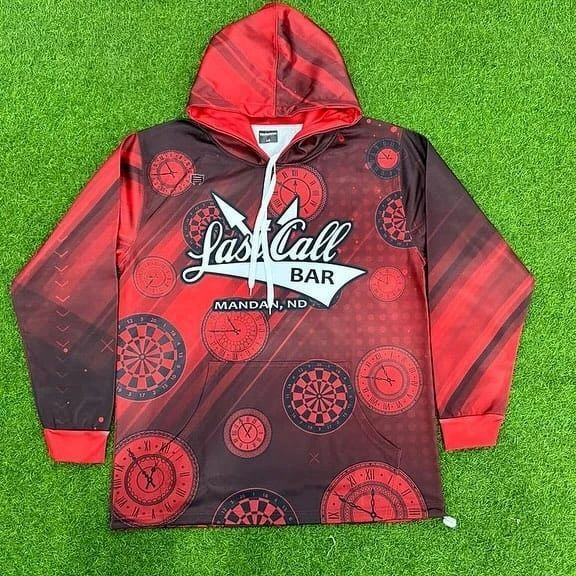
Custom sublimation hoodies are produced through a multi-step manufacturing process that combines apparel development with specialized heat-transfer printing. From the initial design and artwork preparation to fabric selection, sublimation, cutting, stitching, quality control, and packaging, every stage affects the final product.
Mamoon Wear is a custom clothing and sportswear manufacturer based in Sialkot, Pakistan, producing customized apparel for clothing brands, sports teams, retailers, startups, and wholesale buyers.
Here is how custom sublimation hoodies are manufactured in Pakistan.
1. Design & Product Development
The process starts with the hoodie design.
A clothing brand can provide:
- A complete tech pack
- Hoodie measurements
- Reference samples
- Artwork
- Color specifications
- Logo files
- Fabric requirements
- Size charts
The manufacturer reviews these specifications to understand the required fit, construction, fabric, printing areas, and finishing details.
For new products, a manufacturer may also help convert an initial concept into production-ready specifications.
2. Artwork Preparation
After the product specifications are confirmed, the artwork is prepared for sublimation.
The artwork may include:
- Brand logos
- Graphics
- Patterns
- Illustrations
- Gradients
- Team colors
- Names
- Numbers
For all-over sublimation hoodies, the artwork needs to be aligned with the garment pattern so that the design appears correctly after the fabric panels are cut and assembled.
Accurate artwork preparation is important because mistakes at this stage can affect the final placement and appearance of the design.
3. Fabric Selection
Fabric selection is one of the most important steps in sublimation hoodie manufacturing.
Sublimation generally works best on fabrics with a suitable polyester content because the dye is designed to bond with polyester fibers.
The manufacturer considers:
- Fabric composition
- GSM
- Texture
- Stretch
- Breathability
- Desired fit
- End use
- Printing requirements
The correct fabric should be selected before production begins, and brands should approve the fabric through sampling whenever possible.
4. Sublimation Printing
Once the artwork and fabric are approved, the sublimation printing process begins.
The design is printed onto suitable transfer paper using specialized sublimation inks. Heat and pressure are then used to transfer the design into the fabric.
Unlike many surface printing methods, sublimation becomes part of the fabric rather than creating a thick layer sitting on top of it.
This process is particularly useful for:
- Detailed graphics
- All-over patterns
- Multiple colors
- Gradients
- Sports designs
- Custom team artwork
The final print quality depends on the artwork, fabric, ink, equipment, temperature, pressure, and production settings.
5. Fabric Cutting
After the fabric has been printed, the panels are cut according to the approved hoodie patterns.
The cutting stage needs to account for:
- Size specifications
- Pattern accuracy
- Artwork placement
- Seam allowances
- Panel alignment
- Production quantities
Accurate cutting helps ensure that the final hoodie maintains the correct measurements and that the sublimated artwork lines up properly across the garment.
6. Stitching & Garment Assembly
The cut panels are then sent to the stitching section.
Different components are assembled, including:
- Front panel
- Back panel
- Sleeves
- Hood
- Kangaroo pocket
- Cuffs
- Waistband
The stitching team follows the approved construction specifications to create the finished hoodie.
For professional apparel production, stitching consistency is important because uneven seams, incorrect measurements, or poor finishing can affect the appearance and durability of the garment.
7. Quality Control
Quality inspection takes place after stitching and finishing.
The hoodie may be checked for:
- Correct measurements
- Stitching quality
- Print alignment
- Color consistency
- Fabric defects
- Loose threads
- Hood construction
- Cuff finishing
- Overall appearance
For bulk orders, quality control helps identify production issues before the products are packed and shipped.
8. Finishing & Pressing
After quality inspection, the garments go through the finishing stage.
This can include:
- Thread trimming
- Pressing
- Folding
- Label checking
- Final visual inspection
The purpose is to prepare the hoodies for their final presentation and packaging.
9. Custom Labels & Branding
For private-label clothing brands, branding can be added during the production process.
Options may include:
- Neck labels
- Woven labels
- Size labels
- Hang tags
- Brand logos
- Custom packaging
This allows brands to sell the finished hoodie under their own identity.
10. Packaging & Shipment
Once the final inspection is completed, the hoodies are folded and packed according to the customer’s requirements.
Packaging can include:
- Individual poly bags
- Size sorting
- Custom packaging
- Branded packaging
- Carton packing
The finished products are then prepared for shipment to the customer or their designated destination.
Why Choose a Custom Sublimation Hoodie Manufacturer in Pakistan?
Pakistan has an established apparel and textile manufacturing industry, making it a manufacturing destination for customized garments and sportswear.
For brands, the important factor is not simply choosing a manufacturer in a particular country. It is choosing a production partner that can consistently manage:
- Product development
- Fabric sourcing
- Sublimation printing
- Cutting
- Stitching
- Quality control
- Branding
- Packaging
- Communication
Mamoon Wear provides these manufacturing stages from its facility in Sialkot, Pakistan, for brands and businesses requiring customized apparel.
Custom Sublimation Hoodies for Different Businesses
Custom sublimation hoodies can be developed for:
- Clothing brands
- Streetwear brands
- Sportswear brands
- Sports teams
- Schools and clubs
- E-commerce businesses
- Retailers
- Fashion startups
- Private-label businesses
- Wholesale buyers
Frequently Asked Questions
How long does it take to manufacture custom sublimation hoodies?
Production time depends on factors such as quantity, fabric availability, design complexity, sampling requirements, and customization. A manufacturer should confirm the expected timeline after reviewing the complete order specifications.
What fabric is best for sublimation hoodies?
Sublimation generally works best on suitable polyester-based fabrics. The ideal fabric depends on the desired weight, feel, performance, and final product requirements.
Can I provide my own hoodie design?
Yes. Brands can provide their own artwork, tech pack, measurements, logos, color specifications, or reference samples for custom production.
Can sublimation be used for all-over hoodie designs?
Yes. Sublimation is particularly useful for all-over graphics, patterns, gradients, and detailed designs when the selected fabric is suitable for the process.
Can Mamoon Wear add private-label branding?
Yes. Custom labels, woven labels, size labels, hang tags, logos, and branded packaging can be incorporated according to the brand’s requirements.
Conclusion
The manufacturing process for custom sublimation hoodies in Pakistan involves much more than simply printing a design. A professional production workflow includes product development, artwork preparation, suitable fabric selection, sublimation printing, accurate cutting, stitching, quality control, finishing, branding, and packaging.
Mamoon Wear helps brands manage this process from product development to finished apparel at its manufacturing facility in Sialkot, Pakistan.
If you are planning a custom sublimation hoodie collection, provide your design, tech pack, fabric preferences, quantity, and branding requirements to start the manufacturing process.