

Learn what screen printing is, how it works, its benefits, and why it remains the preferred printing method for custom T-shirts, hoodies, sportswear, and premium apparel brands worldwide.
Screen printing is one of the oldest and most reliable printing techniques used in the apparel industry. From global fashion labels to local clothing startups, thousands of brands choose screen printing because of its exceptional durability, vibrant colours, and premium finish. Whether you are launching a streetwear collection, producing sportswear, or creating promotional apparel, screen printing delivers professional results that stand the test of time.
Unlike many digital printing methods, screen printing uses a mesh screen, high-quality inks, and a squeegee to transfer designs directly onto fabric. This process creates bold, crisp artwork that remains vibrant even after repeated washing, making it the preferred choice for bulk apparel production.
In this guide, you’ll learn what screen printing is, how the process works, its key advantages, the different types of screen printing, and why it continues to be the industry standard for custom apparel manufacturing.
What Is Screen Printing?
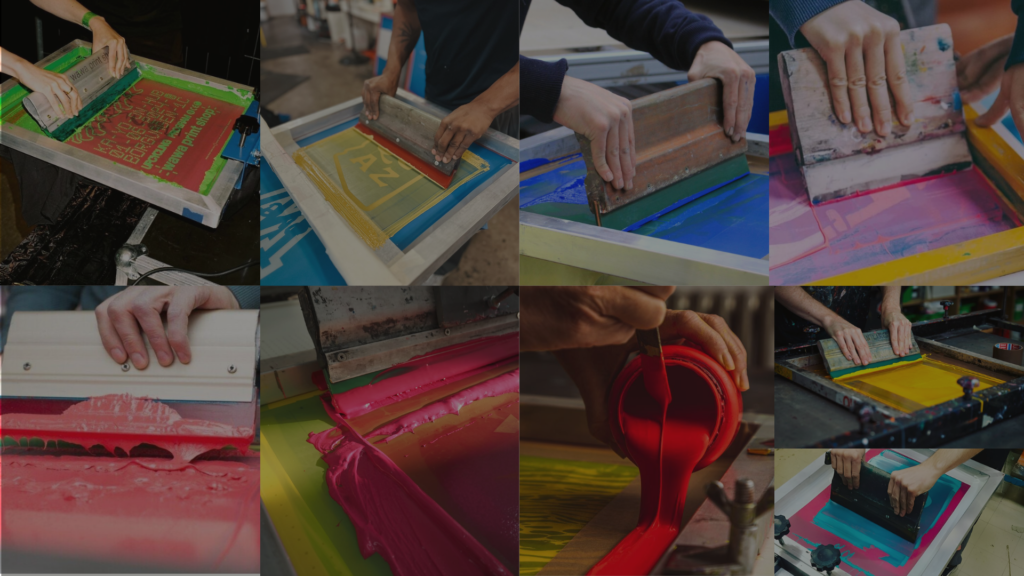
Screen printing, also known as silk screen printing, is a printing technique that transfers ink onto fabric through a finely woven mesh screen. A stencil is created for the design, and a squeegee is used to push ink through the open areas of the screen onto the garment. Each color in the artwork requires its own screen, allowing printers to produce bold, accurate, and long-lasting designs.
This printing method is widely used for custom T-shirts, hoodies, sweatshirts, sportswear, uniforms, tote bags, and promotional clothing because it produces high-quality prints with excellent color opacity and durability. Unlike some digital printing methods, screen printing creates a thicker layer of ink that bonds well with fabric, resulting in prints that resist fading, cracking, and peeling.
For businesses and clothing brands that require consistent quality across large production runs, screen printing remains one of the most cost-effective and dependable printing solutions available. Its versatility and premium finish make it the preferred choice for both fashion collections and corporate apparel.
How Does Screen Printing Work?
The screen printing process begins with preparing the artwork and separating each color into individual layers. A custom mesh screen is then created for every color used in the design. Once the screens are ready, the garment is placed on the printing press, and ink is carefully pushed through the mesh using a squeegee.
After each color is applied, the garment moves through a curing process where the ink is heat-set to ensure maximum durability. This curing stage is essential because it helps the print withstand repeated washing and everyday wear without losing its vibrant appearance.
Finally, every printed garment is inspected for print accuracy, color consistency, and overall quality before packaging. This attention to detail ensures that each piece meets professional manufacturing standards and delivers a premium finish that clothing brands and customers expect.
Screen printing continues to be one of the most popular printing methods in the apparel industry because it combines outstanding quality, durability, and efficiency. Whether you’re creating fashion collections, sportswear, promotional clothing, or private label apparel, screen printing delivers professional results that help brands stand out.
One of the biggest advantages of screen printing is its vibrant color reproduction. The thicker ink application creates bold, rich colors that remain bright even after repeated washing. This makes it an excellent choice for logos, graphics, and custom artwork that need to maintain a premium appearance over time.
Another significant benefit is exceptional durability. Properly cured screen printed designs resist fading, cracking, and peeling, making them suitable for garments that are worn frequently. This long-lasting performance is one of the main reasons why fashion brands, sports teams, and corporate businesses continue to choose screen printing.
Screen printing is also highly efficient for bulk production. Once the screens have been prepared, hundreds or even thousands of garments can be printed with consistent quality and excellent color accuracy. This reduces production costs while maintaining premium results across every item.
The versatility of screen printing is another major advantage. It supports a wide range of specialty inks and finishes, including puff printing, metallic inks, reflective effects, glow-in-the-dark prints, high-density textures, and soft-touch finishes. These options allow brands to create unique collections that leave a lasting impression on customers.
When combined with premium fabrics and professional manufacturing standards, screen printing becomes one of the most reliable decoration methods for producing custom apparel that meets international quality expectations.
Best Fabrics for Screen Printing
Selecting the right fabric is essential for achieving high-quality screen printing results. Different materials absorb ink differently, making fabric choice an important part of the printing process.
100% Cotton is considered the best fabric for screen printing because it produces vibrant colors, sharp details, and excellent ink adhesion.
Cotton-Polyester Blends combine comfort, durability, and wrinkle resistance, making them a popular choice for casual wear, sportswear, and promotional apparel.
Fleece Fabrics are commonly used for hoodies and sweatshirts. With proper printing techniques, fleece garments deliver bold prints while maintaining softness and comfort.
Performance Polyester is ideal for athletic apparel and team uniforms. Using specialized low-bleed inks helps prevent dye migration and ensures long-lasting print quality.
No matter which fabric you choose, professional preparation, premium inks, and proper curing are essential for producing durable, high-quality custom apparel that meets professional manufacturing standards.
Frequently Asked Questions
1. What is screen printing?
Screen printing is a printing technique that transfers ink onto fabric through a mesh screen using a squeegee. It is known for producing vibrant colors, durable prints, and high-quality results for custom apparel.
2. How does screen printing work?
The process involves creating a stencil on a mesh screen, applying ink through the screen onto the garment, and curing the print with heat to ensure long-lasting durability.
3. Why is screen printing so popular?
Screen printing is popular because it offers excellent color quality, durability, and cost efficiency for bulk apparel production. It is widely used by fashion brands, sports teams, and businesses.
4. Is screen printing suitable for small orders?
Yes, screen printing can be used for small orders, but it is generally more cost-effective for medium and large production runs due to the screen setup process.
5. What fabrics are best for screen printing?
Cotton, cotton-polyester blends, fleece, and performance fabrics are commonly used for screen printing because they provide excellent print quality and durability.
6. How long do screen printed designs last?
With proper care, screen printed designs can last for years without significant fading, cracking, or peeling.
7. What is the difference between screen printing and DTF printing?
Screen printing is ideal for bulk production and bold designs, while DTF printing is better for detailed, full-color artwork and smaller order quantities.
8. Can screen printing be used on hoodies and sweatshirts?
Yes. Screen printing works exceptionally well on hoodies, sweatshirts, oversized T-shirts, jerseys, and many other types of apparel.
9. Is screen printing environmentally friendly?
Many manufacturers now use water-based inks and eco-friendly production practices, making screen printing more sustainable than in the past.
10. Why do clothing brands choose screen printing?
Clothing brands prefer screen printing because it delivers premium-quality prints, consistent production, vibrant colors, and long-lasting performance, making it one of the most trusted printing methods in the apparel industry.